Healthy Alternatives to Energy Drinks: 12 Picks That Actually Deliver
Healthy Alternatives to Energy Drinks: 12 Picks That Actually Deliver
You probably did not pick this article up to read about kombucha. You opened it because the can in your hand is starting to feel like a problem.
The crash. The 3pm shake. The sleep that never quite happens. The growing list of side effects of energy drinks that cardiologists and sleep researchers keep pointing to. At some point most of us look at the can and ask the obvious question: is there something better?
Yes. There are at least twelve somethings, and below they are ranked honestly. We make one of them. We will tell you when it is the right pick and when it is not.
The short version:
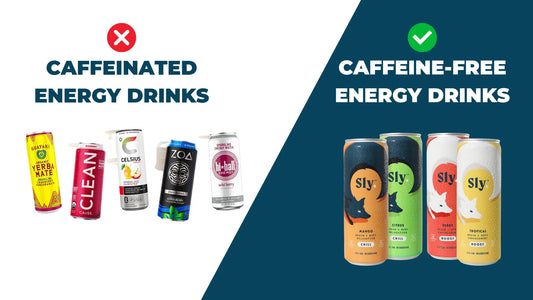
If you wanted what an energy drink promised (focus, clarity, no jitters) without the part that hurt you (the caffeine, the sugar, the crash), Sly BOOST was built for that exact moment. Caffeine-free. Sugar-free. The lift comes from L-theanine and lion's mane, not stimulants. It is also one of twelve options on this list. Read the rest before you decide.
Why people are walking away from energy drinks
This is not a vibe shift. It is the data catching up.
The Cleveland Clinic notes that a single energy drink can carry up to 300 milligrams of caffeine, roughly the load of three cups of coffee in one twelve-ounce can [1]. The Mayo Clinic recommends most adults stay under 400 milligrams of caffeine per day, total [2]. So one Bang and a small coffee can put you over the line before lunch.
Add the sugar. Add the artificial sweeteners. Add what 200 milligrams of caffeine on an empty stomach does to a normal nervous system. The math gets ugly fast.
People search. They land on articles like this one. They want a real answer, not a list of things they have to brew.
The 12 healthy alternatives to energy drinks, ranked
1. Sly BOOST (caffeine-free, sugar-free)
This is the answer if what you actually wanted from the energy drink was focus and follow-through, not a chemical jolt.
What is in the can: L-theanine (the amino acid in green tea that produces calm focus), lion's mane mushroom extract, and a clean B-vitamin stack. Zero caffeine. Zero sugar. Zero crash, because there is nothing to crash from.
Best for: morning lock-in, the post-lunch dip when more coffee is a bad idea, the pre-deadline hour when you need to be sharp without being wired.
Honest caveat: if you want a stimulant kick that hits in seven minutes, this is not that. Coffee is. BOOST is what you reach for when the kick from the coffee turned on you.

2. Coffee
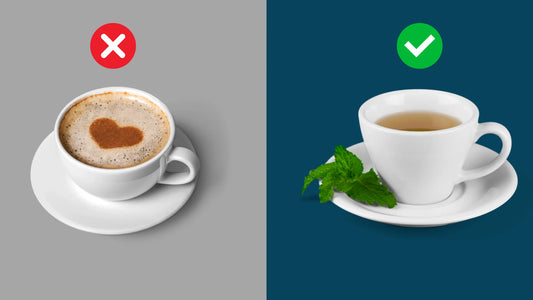
The default for a reason. Black coffee is essentially calorie-free, contains caffeine that genuinely helps alertness, and brings a heavy load of antioxidants the research keeps confirming [3].
The catch: caffeine is still caffeine. If energy drinks gave you the jitters, a 16-ounce cold brew is not the way out. It carries more caffeine than most cans of Monster.
Best for: people whose problem was the sugar in their old drink, not the caffeine.

3. Green tea
Roughly 30 to 50 milligrams of caffeine per cup, plus L-theanine, the same amino acid doing the heavy lifting in Sly BOOST. The combination produces focus without the spike. Bone health and cholesterol research keep stacking up in its favor.
The catch: the energy floor is low. If you need to be on for four hours, green tea will tap out.

4. Black tea
Stronger than green tea (40 to 70mg of caffeine), still half what most energy drinks contain. The heart-health research is on its side.
Best for: tea drinkers who want more punch without crossing into coffee territory.

5. Yerba mate
South American tea with theophylline and theobromine in addition to caffeine. The energy curve is smoother and the focus tends to last longer than coffee. Hard to find ready-to-drink without sugar; check the label.

6. Kombucha
Fermented tea, 10 to 15mg of caffeine per eight ounces, plus probiotics and B vitamins. Closer to a digestive aid with a side of mild lift than an actual energy drink replacement, but the gut-health upside is real.
Watch the sugar. Some commercial kombuchas hide twelve grams per bottle.

7. Sparkling water
Zero caffeine, zero calories, surprisingly effective at perking you up because of the carbonation and the cold. Not a true energy source, but if your 3pm slump is actually dehydration in disguise (it usually is), this fixes it fast.
Add a wedge of citrus. Skip the energy waters with added caffeine; that defeats the point.

8. Coconut water
Electrolytes (potassium and sodium) in roughly the ratio your body lost them, plus enough natural sugar to get blood glucose back on track. After a workout or a hot afternoon outside, this beats most sports drinks with a logo on them.

9. Low-sugar sports drinks
Sugar is the problem with traditional sports drinks. The newer wave (Liquid IV, LMNT, Nuun) deliver electrolytes without the candy syrup. Useful when you have actually been sweating, less useful when you just want to feel awake at your desk.

10. Protein shake
Not a stimulant, but a full hit of amino acids and slow-burning calories beats an energy drink for sustained focus three hours from now. Especially true post-workout, where the recovery effect compounds.

11. Fresh juice
Quick natural sugars (fructose plus glucose) hit fast. Vitamin C, polyphenols, and minerals come along for the ride. The crash is shorter and softer than a high-caffeine crash, but it is still a crash if all you drank was juice on an empty stomach.
Pair with protein or fat to flatten the curve.

12. Chia seed water
Chia absorbs about ten times its weight in water and turns into a gel that releases slowly. The result is steadier hydration and a longer fullness signal. Athletes call this Iskiate. Not exciting. Not flashy. Quietly effective.

SHIFT HOW YOU FEEL
Three modes. One can each. No guesswork.
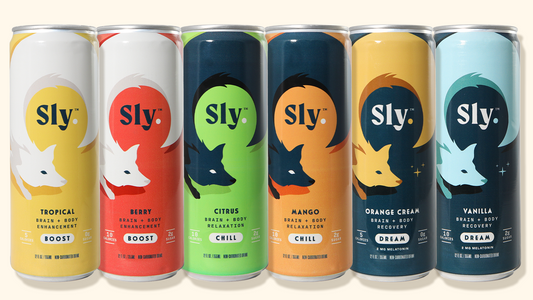
BOOST when you need to lock in. CHILL when you need to come down. DREAM when the day is done.
How to pick the right alternative for your day
Match the drink to the job, not the brand.
If you need to focus and you want zero caffeine, the answer is the caffeine-free BOOST line. If you need a fast caffeine hit and your tolerance is fine, it is coffee or green tea. If the issue was hydration and you mistook it for fatigue, it is sparkling water or coconut water. If you trained hard and lost salt, it is a low-sugar electrolyte drink.
If the real problem is that the energy drink is keeping you up at 11pm, the alternative is not on this list at all. It is Sly DREAM, with 2mg of melatonin and a clean exit into rest.
What about quitting caffeine entirely?
Some people read this article because the energy drink is one symptom of a bigger caffeine habit they want to put down. If that is you, the deeper read is the jitters guide and the upcoming caffeine withdrawal timeline.
You do not have to white-knuckle it. There is a way down that does not involve three days of headaches.
Frequently asked questions
What is the healthiest alternative to an energy drink?
If your goal is focus and energy without caffeine, sugar, or a crash, the cleanest swap is a functional drink built for that exact use, like our caffeine-free BOOST drinks. If your goal is the cheapest decent option, plain green tea is hard to beat.
Does Sly BOOST contain any caffeine?
No. Sly BOOST is caffeine-free. The lift comes from L-theanine, lion's mane mushroom extract, and B vitamins. That is the entire reason the brand exists.
How does Sly BOOST give you energy without caffeine?
L-theanine increases alpha brain wave activity, which is the state associated with calm focus [4]. Lion's mane supports cognitive function. B vitamins help convert food into usable energy at the cellular level. None of those are stimulants. None produce the spike-and-crash pattern caffeine does.
Are caffeine-free energy drinks actually effective?
The good ones, yes. The category got a bad name from drinks that were essentially flavored water with a few vitamins. Modern caffeine-free formulas use functional ingredients (adaptogens, nootropics, amino acids) with peer-reviewed effects on focus and stress. Sly BOOST is one of those.
What can I drink instead of an energy drink before a workout?
Green tea or yerba mate for a moderate caffeine bump. Coconut water for hydration plus a small carbohydrate hit. Sly BOOST if you specifically want pre-workout focus without caffeine interfering with sleep later that night.
Is it OK to drink an energy drink every day?
The short answer is no, not really. Daily intake puts you on the high end of the safe caffeine range, builds tolerance fast, and is associated with the cardiovascular issues the Cleveland Clinic flags in its review. Daily focus is a real need; the question is whether the daily delivery system has to be 200mg of caffeine.
The takeaway
You do not need an energy drink. You need whatever the energy drink was supposed to do for you. Sometimes that is focus. Sometimes that is hydration. Sometimes it is a real night of sleep, which means changing what you drink at 4pm, not at 9pm.
Pick the one that fits the job. If the job is clean, caffeine-free focus, you already know which one we made.
Authored by: Sly Team
The Sly Team is the in-house writing and product collective behind drinkonthesly.com. We make functional beverages built around three modes (BOOST for focus, CHILL for relax, DREAM for sleep) and we write about the things our customers actually ask us. We do not diagnose. We do not promise cures. We support focus, calm, and rest, and we are honest about what is in the can.
Sources
- Cleveland Clinic, "Are Energy Drinks Bad for You?" Accessed May 2026. health.clevelandclinic.org/are-energy-drinks-bad-for-you
- Mayo Clinic, "Caffeine: How much is too much?" Accessed May 2026. mayoclinic.org/caffeine
- Harvard Medical School, "The latest scoop on the health benefits of coffee." Accessed May 2026. health.harvard.edu
- National Center for Complementary and Integrative Health (NIH), "Green Tea." Accessed May 2026. nccih.nih.gov/health/green-tea
This article shares general information about beverages, not medical advice. If you have a heart condition, are pregnant, or are managing anxiety, sleep, or blood pressure issues, talk to your doctor before changing your caffeine intake.